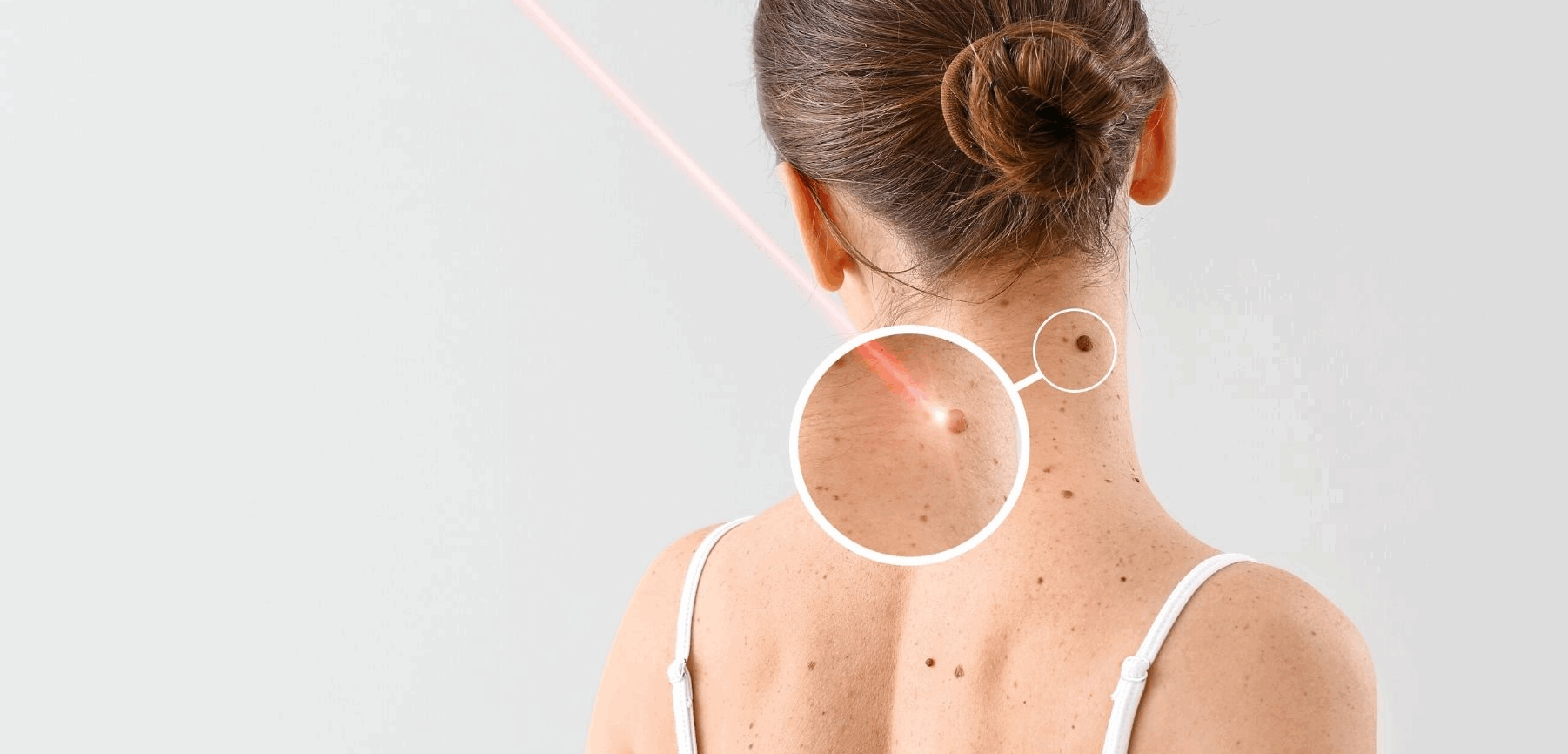
What is a picosecond laser?
Picosecond lasers are a breakthrough technology in the field of cosmetic dermatology in recent years. "Picosecond" refers to the duration of the laser pulse—one trillionth of a second. Compared to traditional nanosecond lasers (one billionth of a second), picosecond lasers have a pulse speed nearly a thousand times faster, a technological upgrade that has brought tremendous changes to the medical aesthetics field.
Traditional lasers primarily work through photothermal effects, while picosecond lasers rely mainly on photoacoustic effects. They can shatter target pigment particles into tiny microparticles in an extremely short time, significantly reducing thermal damage to surrounding normal tissue. This makes the treatment process more comfortable, significantly shortens the recovery period, and reduces the risk of side effects such as pigmentation and scarring.
Common wavelengths for picosecond lasers include 532 nanometers, 755 nanometers, and 1064 nanometers. Sometimes different crystals (such as Nd:YAG or alexandrite crystals) are used to generate pulses, allowing for precise targeting of melanin, hemoglobin, and pigmentary dyes, resulting in excellent performance in areas such as pigmentation removal, skin rejuvenation, and tattoo removal.
What can picosecond laser technology do for you?
Treatment of Pigmentation Disorders:
Picosecond lasers are effective in treating various epidermal and dermal pigmentation disorders, including freckles, sunspots, melasma, nevus of Ota, and café-au-lait spots. Its ultra-short pulses thoroughly break down pigment particles, allowing them to be naturally eliminated from the body through the metabolic system.
Tattoo Removal:
Picosecond lasers have become the gold standard for tattoo removal. Different colors of tattoos require different wavelengths of laser treatment. Picosecond technology is effective for various colors (especially blue and green, which are difficult for traditional lasers to handle), and requires significantly fewer treatment sessions.
Skin Rejuvenation:
By stimulating the regeneration of collagen and elastin fibers in the skin, picosecond lasers can improve fine lines and enlarged pores, enhance skin firmness and radiance, achieving a "non-invasive skin rejuvenation" effect.
Acne Scar and Mark Improvement:
Picosecond lasers effectively promote scar tissue remodeling, reduce post-inflammatory hyperpigmentation, and improve the appearance of acne scars.
More comfortable treatment process:
Compared to traditional lasers, picosecond lasers cause less pain, have a faster treatment process, and result in mild post-treatment redness and swelling, allowing patients to quickly return to their daily lives and work.
What precautions should be taken before treatment?
Adequate pre-operative preparation is crucial for ensuring treatment effectiveness and safety. It is recommended to begin the following preparations 2-4 weeks before treatment:
Medical Assessment
Choose a reputable medical institution and an experienced doctor for a face-to-face consultation to discuss treatment expectations, possible effects, and potential risks in detail.
The doctor will assess your skin type, the nature of your pigmentation problem (epidermal/dermal), skin sensitivity, and barrier function.
Be sure to inform the doctor of your complete medical history, including allergy history, keloid scarring tendency, photosensitivity history, recent medication use (especially retinoids, anticoagulants, etc.), and pregnancy or breastfeeding status.
Pre-operative Skin Preparation
Avoid strong sun exposure for 4 weeks before treatment. Do not use tanning products or sunbathe. Ultraviolet rays can stimulate melanocyte activity, increasing the risk of post-operative pigmentation abnormalities.
Discontinue skincare products containing irritating ingredients such as glycolic acid, salicylic acid, and retinoic acid 1-2 weeks before treatment. Avoid deep cleansing treatments such as exfoliation. Infection prevention: If you have a history of facial herpes, you may take antiviral medication as prescribed by your doctor 3 days before the procedure to prevent recurrence.
Use gentle cleansing and moisturizing products for 3 days before the procedure, and avoid trying new skincare products.
Cleanse your face, do not wear makeup, and do not apply any skincare products, sunscreen, etc. Male patients need to thoroughly shave the hair in the treatment area.
Lifestyle Adjustments
Avoid taking anti-inflammatory drugs such as aspirin and ibuprofen, as well as supplements that may affect blood clotting, such as vitamin E and fish oil, for one week before the procedure.
Avoid smoking and drinking alcohol for one week before the procedure, as these habits can affect blood circulation and skin repair capabilities.
Avoid spicy, irritating, and photosensitive foods (such as celery, coriander, and lemons) for three days before the procedure.
Establish realistic treatment expectations, understanding that multiple treatments (usually 3-5) may be needed to achieve the desired effect, and that individual differences can affect the final result.
What meticulous aftercare is necessary after picosecond laser treatment?
After picosecond laser treatment, the skin is in a sensitive and fragile repair period. Careful aftercare directly affects the treatment's effectiveness and safety.
Immediate Care (within 24 hours after treatment)
Cooling and Soothing: Immediately after treatment, apply a medical cooling patch or ice pack for 15-20 minutes each time, 3-4 times daily, to relieve redness, swelling, heat, and pain.
Avoid Scratching: Mild redness or small scabs may appear in the treated area. Do not touch, scratch, or rub the area with your hands (wear loose clothing to avoid friction).
Gentle Cleansing: Avoid contact with water for 24 hours. Afterward, gently wash with warm water. Do not use facial cleansers or other cleansing products.
Strict Sun Protection: Skin photosensitivity is increased after treatment. Direct sun exposure must be avoided, and the area should be kept away from windows and other sources of ultraviolet radiation indoors.
Post-treatment Care (Days 1-7)
Moisturizing and Repairing: Use doctor-recommended medical-grade repair dressings, growth factor gels, or medical-grade repair creams to maintain a moisturized skin environment and promote barrier repair.
Scabbing Treatment: If small scabs appear (usually forming within 1-3 days), allow them to fall off naturally; do not forcibly scratch them.
Continuous Sun Protection: Use a physical sunscreen with SPF 30 or higher or PA+++, reapplying every 2-3 hours. Combine this with physical sun protection measures such as wearing hats, masks, and sunglasses.
Gentle Skincare: Use only gentle cleansing and moisturizing products approved by your doctor. Avoid using functional cosmetics (whitening, anti-wrinkle, etc.).
Long-term Care (After 1 Week and Subsequent Care)
Gradual Recovery: After 1 week, redness and swelling will have largely subsided. You can gradually resume using gentle skincare products, but still avoid irritating ingredients.
Continue Sun Protection: Continue sun protection for at least 1-3 months after the procedure; this is crucial for preventing pigmentation.
Observe Reactions: Carefully observe changes in your skin. If abnormal pigmentation, blisters, infection, or other symptoms occur, contact your doctor immediately.
Lifestyle: Maintain sufficient sleep, a balanced diet, and consume plenty of foods rich in vitamins C and E to promote skin repair.
Maintenance Treatment: To achieve the best and most lasting treatment results, follow your doctor's advice and undergo follow-up treatments as scheduled. Each treatment is typically spaced 4-8 weeks apart.
Attention! These people should not undergo picosecond laser treatment!
While picosecond laser treatment is relatively safe, there are still specific contraindications. Those meeting the following criteria should not undergo treatment or should postpone it:
Absolutely Contraindicated Groups
Pregnant and breastfeeding women: Although local treatment results in minimal systemic absorption, it is not recommended during this period for absolute safety.
Patients with photosensitive diseases: Such as systemic lupus erythematosus, laser treatment may induce or worsen the disease.
Patients with skin cancer and precancerous lesions: Laser treatment may stimulate the growth of malignant cells.
Active infections: Bacterial, viral, or fungal infections (such as active herpes, warts, impetigo, etc.) exist in the treatment area.
Relative Contraindications
Individuals with a history of keloid scarring: Especially those with a history of hypertrophic scars or keloids, laser treatment may induce abnormal scar formation.
Individuals who have recently used photosensitizing drugs or foods: Such as tetracyclines, sulfonamides, or large amounts of photosensitizing foods.
Individuals who have recently undergone radiation therapy, chemical peels, or dermabrasion: Wait for the skin to fully heal (usually 3-6 months).
Individuals with immunosuppression: Such as those undergoing chemotherapy or post-organ transplant anti-rejection treatment, have poor wound healing ability and a high risk of infection.
Individuals with coagulation disorders or currently using anticoagulants: May increase the risk of bleeding and bruising.
Individuals with fillers or implants in the treatment area: Inform the doctor about the type and location of the fillers, as some fillers may be affected by the laser.
Individuals with unrealistic expectations or psychological instability: Those with unrealistic expectations about the treatment results or suffering from psychological disorders such as body dysmorphic disorder.
Those with a recent history of sun exposure or very dark skin: Sun exposure activates melanocytes, easily leading to pigmentation; melanin in dark skin competitively absorbs laser energy, increasing the risk of side effects.
Those with poorly controlled diabetes: Poor blood sugar control affects wound healing and increases the risk of infection.
Those with a history of epilepsy: The light during treatment may trigger seizures.
Choose a stable picosecond laser device
The Newangie PICOMAX laser machine offers precise and efficient treatment solutions. Its precise energy, diverse functions, and outstanding results make it the non-invasive medical aesthetic device you're looking for.
Newangie's picosecond laser devices are ideal for tattoo removal, pigmentation correction, age spot removal, skin regeneration, and acne scar treatment. They meet diverse skin treatment needs, attract a wider customer base, and enable you to gain a strong reputation and leading position in your target market.
![f275e6d03b45408a958cb31412714ce4]()
Treatment with the Newangie picosecond laser device takes only 15-30 minutes per session. Recovery time is extremely short, with most patients able to resume normal daily activities and work on the same day.
Picosecond laser treatment utilizes ultrashort pulses (one trillionth of a second) to break down pigment and stimulate collagen production through photomechanical effects. This technology minimizes thermal damage, resulting in faster and safer treatment outcomes.
Introducing the Newangie high-end picosecond laser device, effectively improving various skin problems such as tattoo removal, freckles, melasma, sunspots, improving pigmentation, promoting skin regeneration, and reducing wrinkles and fine lines. This will help you expand your business and attract a wider customer base.
The effects of picosecond laser treatment gradually become apparent within weeks after treatment. After multiple treatments, overall skin texture improves as collagen is rebuilt. However, specific results can be influenced by factors such as age, skin condition, skin type, and skin tone. The final results and improvements will be fully visible within one year after treatment.
Purchase our picosecond laser tattoo removal device and enjoy a one-year warranty and lifetime free technical support. For any questions regarding treatment, equipment, or operation, please consult our professional beauticians and technicians.


